
Today it’s my great pleasure to meet with Pat Spencer, author of Sticks in a Bundle, a compelling foray into the challenges of a mixed-race family living under the rule of apartheid. Pat is, like me, a retired professor, but also a former community college president. She lives in sunny Southern California with her husband. She’s lived in three countries and seven states and loves to travel, and has spent time in Europe, South Africa, Botswana, Zambia, Zimbabwe, and Namibia, to name just a few places, because she enjoys getting to know people and learning about their culture.
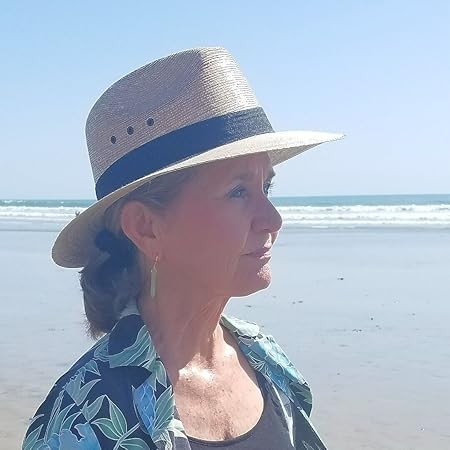
She lives in sunny Southern California with her husband. She’s lived in three countries and seven states and loves to travel, and has spent time in Europe, South Africa, Botswana, Zambia, Zimbabwe, and Namibia, to name just a few places, because she enjoys getting to know people and learning about their culture.
Pat agreed to meet me at the Nasher Museum of Art on the Duke University Campus for brunch at the Nasher Café. The museum is dedicated to presenting leading edge contemporary art and exhibitions, emphasizing works by artists who have been historically underrepresented. I’ve never failed to be impressed every time I’ve visited. Its café overlooks part of the museum’s sculpture garden and is quiet and serene.



We sat at a table with a lovely view of the garden. There are lots of yummy things on the menu. I ordered an avocado smash for the two of us (avocado, garlic hummus, grape tomatoes, pickled red onion, feta, and toasted sunflower seeds on 9-grain wheat toast), and my usual, the smoked salmon omelet (smoked salmon, marinated tomatoes, onions, and a dill cream sauce). And of course, a latte.
Pat chose another favorite of mine: Citrus French Toast, which she’d never had before, and Belgian Chocolate Tea with cream and two sugars – her and her granddaughter’s choice for when they have tea parties.
Our beverages arrived and while we were waiting for our food, I took the opportunity to ask some questions.
I’m always interested in where authors do their thing! Where do you write?
I’m the luckiest girl in the world when it comes to writing space. I overlook the Pacific Ocean, so when my brain needs a moment of rest, all I have to do is look up and out. And I also have everything I need to enjoy my day of writing in this room — good music, an electric teapot, a selection of my favorite teas, and my yoga mat for when my muscles need a stretch.
What have you learned about from the process of writing historical fiction such as Golden Boxty in the Frypan – which incidentally, I loved – and Sticks in a Bundle?
In writing Golden Boxty in the Frypan, I strengthened my research skills and ability to convey the texture of the era. From writing the Sticks in a Bundle trilogy, I deepened my ability to portray thoughts, emotions, memories, fears, desires, and flaws.
Our food arrived and we chatted casually about our enjoyment of writing and our backgrounds, along with the “Mmms” at the taste of our choices. Along with more questions.
I’ve always been interested in an author’s childhood and how that might have inspired their writing. I understand you have such a connection with the Sticks in a Bundle trilogy.
Looking back, I believe the road to Sticks in a Bundle began when I was a child growing up in the Deep South. Even at the age of six, I was totally baffled and disgusted by certain societal rules. For example, on a family trip to Sears Roebuck, when we walked past the water fountains, I noticed that the sign over the tall metal water fountain read “White.” The shorter one, so short an adult would have to bend completely at the waist to drink, was labeled “Colored.” Since I was wearing my church dress, I worried my mother would grab me around the waist, hike me up, and expose my underpants to anyone who happened along. But most importantly, I wanted to drink the water that I imagined gloriously bubbling from the spout in every rainbow hue. So, I demanded to help myself at the shorter fountain. Which resulted in a resounding spanking.
Also, my brother and I were disappointed not to be allowed to ride in the back of the bus, directly over the wheel well, where, as all children know, the bumpiest and most fun ride can be had.
How did this affect your thinking as an adult?
In the 1970s, as a young adult, I spent four months back in the Deep South. Discrimination was a bit more hidden, but I witnessed several incidents about which I felt helpless to do anything.
I found the same thing to be true in South Africa, twenty-one years after apartheid laws were abolished in 1991. Sociocultural change is slow. I saw how active discrimination continued to affect the lives of the majority of the population. But it wasn’t until a woman on a repurposed school bus offered me a seat beside her and told me stories from her life that I realized there was something I could do. I could write. I could keep her stories alive.
Like me, you have books published in multiple genres, although yours are far more extensive: thriller, historical fiction, literary fiction, and nonfiction. So I’ve been dying to ask what you have found to be the positives and negatives of writing across the genres?
Creatively, I find writing across genres great fun and good exercise for my brain. It has taught me more about pace, voice, structure, and theme. When writing my thriller, Story of a Stolen Girl, I studied and practiced creating hooks for the beginning and ending of each chapter. I also learned that conveying fear entailed a lot more than penning, “She was afraid.” Writing this novel helped me develop the ability to entice my readers to care enough for my protagonists that they were frantic to find out what happened to them next.
I think genre-hopping energizes creativity, prevents burnout, and allows writers to dive into their curiosities. Writing across genres offers opportunities to broaden readerships and remain adaptable in a publishing landscape that’s always changing. It also strengthens your research skills.
I completely agree with that. What do you see as the negatives?
Well, readers can form expectations. Jumping genres can confuse or alienate an audience that has come to trust an author for one type of reading experience. This can lead to seeing the author as less authoritative in their field. Readers might feel disappointed, let down, when discovering the author of their last favorite book has strayed into another genre.
Additionally, genre jumping may affect sales. Branding becomes trickier. Defining yourself and your work can have too many moving parts, which can make it difficult to maximize your efforts. Marketing can be exhausting and expensive. Many authors resist the added time and resources to promote an array of books representing different genres. And sadly, all that marketing can eat into your writing time.
What are you working on now?
I have two ongoing projects. Typically, I do not like working on more than one book at a time because I really sink into my characters. They talk to me even when I’m not writing, and it feels heavy to carry around their issues, problems, and foibles while also dealing with my own. For example, one particularly persistent character (Eshile from the Sticks trilogy) still rides on my shoulder, still shares her thoughts, even though I published the trilogy over a year ago.
Nevertheless, I recently completed The Unfortunate Conversation, a story of an Irish lass condemned by her reverend father to the infamous St. Mary’s Mother and Baby Home in Tuam, Ireland. And now I’m working on the sequel. Under the working title of All Aboard, Isabelle masterminds a great escape in which she and three friends secure jobs on the RMS Queen Mary and travel to America to build new lives, lives where they won’t be judged by past mistakes.
And as if that was not enough to keep me occupied, my mind took a left turn this past Christmas. I began writing a RomCom novelette, a new genre and book length for me. You can think of this piece as Bonnie and Clyde + Jonathan Livingston Seagull’s higher planes of life = Robin Hood and Maid Marian. We will see whether I pull this off or fall flat on my face.
I can sympathize. I’m currently editing my own romance novel! What are your own favorite books?
My favorite is The Poisonwood Bible by Barbara Kingsolver. Her skills at conveying her characters’ emotions and how they saw this strange new world they found themselves in, bonded me with the sisters. For me, this book was more of a page-turner than any thriller I’ve ever read.
Do you have any unique or quirky writing habits?
I don’t know if this is unique or quirky, but if I go more than two or three days without writing, I feel like something is off kilter in the world.
What do you do when you’re not writing?
I speak to service and community organizations on human trafficking, writing processes, and, of course, my books. I like to play golf, read, walk the beach, and hang out with family and friends. I also frequent book clubs and writing critique groups.
With that we finish our coffee and tea, and I thank Pat for the insightful and interesting conversation. Of course, we then wander off to enjoy the museum!
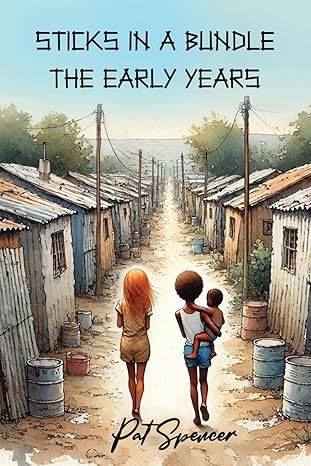
Here are some of Pat’s other books:
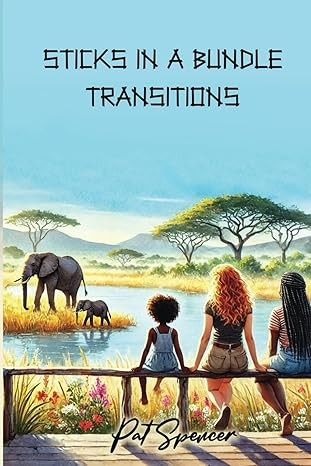
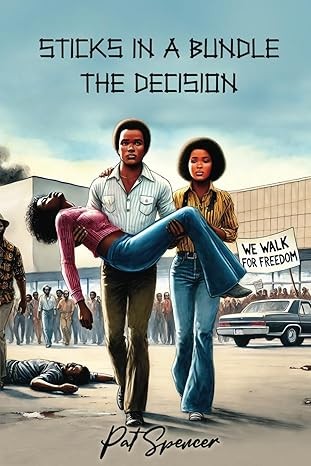
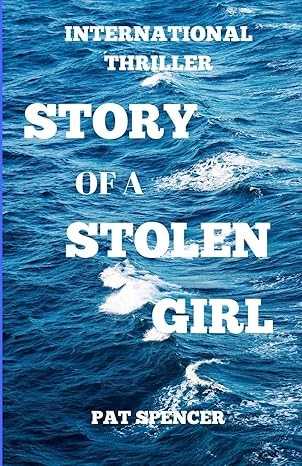
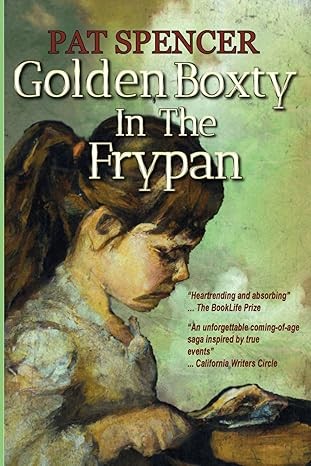
You can find Pat at
https://drpatspencer.allauthor.com
https://www.facebook.com/patspencerauthor

This was a wonderful interview with Pat. I love her books and enjoyed learning more about her. It’s amazing how children can easily see that segregation is wrong and that realization can affect actions later in life. Writing about it is a good way to effect change.
Thanks for stopping by, Darlene. And obviously I also like Pat’s books! Since I am a fan of boxties, I loved that book!
What joy to be able to meet in person and have a chat like that. A great interview, Noelle. Congratulations to Pat and good luck with all her (and your) projects.
Well, we actually weren’t in person. I interview people in various places around the Raleigh-Durham- Chapel Hill area that are known for their good food. and create the interviews over the meal. Now I have to find the right spot to interview you! Thanks for your kind words.
Thanks for putting together such a well-balanced piece. The information is presented clearly, and the tone feels respectful and neutral. It’s obvious that care was taken to make the article useful rather than overly dramatic or sensational, which I personally appreciate a lot.
Fascinating interview. I was struck particularly by Pat’s water fountain and bus memories. My memories of teaching young elementary students reinforce that color is the least important quality when choosing friends. It’s such an innocent and lovely time. They want to have fun, as in enjoying the bouncing on the back of the bus. It’s only after they become “educated” that they pay more attention to race, religion, sexuality, and all of the numerous ways society attempts to divide us.
Absolutely, Pete. I am into book two of the trilogy and love it. Too bad we can’t keep our childlike innocence.
Sticks in a Bundle sounds intriguing. My own explorations into different genres (since I gave up writing middle grade fiction) have been in short stories, mostly flash fiction. I will try out just about anything for 1000 words!
I’m getting there, too. Not sure if I could write anything horror, though! Sticks in a Bunble is great – I’ve read it and give it five thumbs up!
How lovely for the two of you to meet up.
Yes, if only!
What a fun a fantastic interview and fun lunch 🙂
Thanks, Denise. I hope I don’t run out of places to take my favorite authors!
Excellent brunch and interview, Noelle. Congratulations to Pat.
Thanks for stopping by, John. Actually, I have yet to try brunch there, but it’s on my to-do list!
What a great interview, Noelle. I always enjoy your creative outings and questions. I’ve read most (all) of Pat’s fiction and enjoyed her book immensely. I agree that Golden Boxty in a Frypan was fabulous, and I loved the whole Sticks in a Bundle trilogy.
I’m a little jealous of her writing space, and was intrigued by the discussion on trying different genres. I can imagine how fun that is, as well as a great learning experience. Thanks for the excellent post, my friends. 😀
Many thanks, Diana! I am guilty of jumping genres, but it’s been a lot of fun. Once my romance novel is finished being edited, I will be back to another mystery – actually four chapters in, in my spare time. I am not a substitute teacher – missed having students too much. Take good care of your good self!
A wonderful chat with Pat over brunch Noelle… and such wonderful surroundings. Lovely to know more about her life and writing and loved Golden Boxty and the Sticks in a Bundle series.. Delighted to hear about the new books and look forward to spotlighting.. I will add a link to the post in this week’s round up. ♥
Thanks, Sally. I enjoyed our discussion as well and it’s given me food for thought. I love the Nasher Museum but to be honest, I’ve never eaten there!
What a wonderful interview. I felt as I was sitting there at the table with you both, listening intently. One thing Pat said about writing across genres rang a bell with me. I’ve never settled into one genre, so at times it seemed the readers of romance may not readily jump over to historical fiction. So interesting, ladies!!
Thanks, Jan. I am delighted you enjoyed the interview. I think my next Story Empire post will be about writing across genres. Could prove interesting, n’est pas?
What a wonderful interview, Pat and Noelle. Great questions and very thoughtful responses. I enjoyed getting to know more about your writing, Pat! The interview was so natural. At first, I thought you were really meeting in person. All very natural!
That’s what I try to do with my interviews, Joy. Put them in a setting I am familiar with and find interesting – not to mention the food – and conduct the interview as if we were chatting over brunch. I’m so delighted you feel I succeeded. Thank you!
And Pat was very kind to give me thoughtful responses to my questions.
A fantastic interview with Pat, Noelle! Wonderful insight into the author’s memories. A great way to get to know Pat better.
Thanks, Beem! The interview was a pleasure, and I love getting to know my fellow authors/bloggers better.
[…] Join Noelle and Pat for Brunch and enjoy their chat: Noelle Granger and Pat Spencer talk about writing and books […]
Thanks, Sally!
I enjoyed eavesdropping on your brunch with conversation with Pat! It was great to get know more about her.
Thanks, Liz. She is a gem!
Thanks, Darlene. You are so correct. Writing can contribute to societal change.
Thank you, Beem. It is interesting how social media has enabled us to make friends across the world.
The system won’t let me respond to individual comments, so let me just say, “Thank you to all of you for your kind and supportive words. You are appreciated. Pat
I don’t know why that is, Pat, but it’s WordPress. Enough said.
Thank you, all, for your kind and supportive comments. The system still will not let me respond individually, so I hope you see this and know how much I appreciate all of you.
I enjoyed this interview immensely! First, wish I could have been there with you two – the museum sounds fabulous, and the food even better. 🙂 But more than that, I really enjoyed the discussion on writing, on switching genres (which I also do) and writing romance (perhaps the most difficult genre to write!). Fascinating discussion. Thank you!
Thanks for your comment, Pam. I became intrigued with the idea of writing across genres, so I am putting together a post for Story Empire for next month.
Congratulations to Pat. I enjoyed finding out more. A gorgeous showcase and great interview, Noelle.
Thanks so much, Patricia. I’m glad you liked it!
Great interview. I loved these lines. “But it wasn’t until a woman on a repurposed school bus offered me a seat beside her and told me stories from her life that I realized there was something I could do. I could write. I could keep her stories alive.” What a great reason to write. I was unfamiliar with Pat, so thanks for introducing her. You ask great questions. I particularly liked the ones about childhood. Thanks for visiting Story Chat Digest, and being part of Geoff’s story.
Thanks, Marsha. Pat is a very accomplished woman and writer. Glad I could introduce you.
I loved finding out more about Pat, thank you so much! To this European, institutional segregation feels so… odd. Thank you for the eye-opening interview.
Thanks, Nicholas. It was strange to me, too, but I grew up in the North when segregation was rampant in the South.